Technology
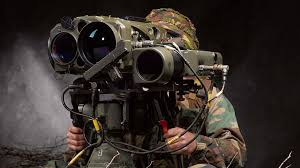
Latest Developments in Optic Technologies
April 28, 2026
Innovations in modern optical sighting systems and the advantages they provide in the field.
Modern optical sighting systems no longer just enable seeing a target — they make precise shooting possible regardless of environmental conditions. By 2026, these technologies continue to develop at an unprecedented pace.
New generation smart sighting systems can calculate wind speed, distance, ambient temperature, and weapon elevation in real time, automatically suggesting corrections. These systems dramatically reduce miss rates in long-range precision shooting.
Thermal optics are no longer exclusive to special forces. Miniaturization has made thermal scopes accessible at the individual shooter level. New generation uncooled thermal sensors deliver sharper images with lower power consumption.
Fusion optics combining thermal and daytime vision on a single screen provide users with complete situational awareness even in the most difficult conditions. AI-assisted target discrimination algorithms can automatically distinguish between humans and vehicles.
Laser range finders (LRF) are becoming a standard component in today's sighting systems. Millimeter-precise distance measurement at thousands of meters, combined with ballistic calculations, fundamentally changes shooting accuracy.
Low-profile optical designs and anti-reflective coatings are becoming widespread to make it harder to detect a shooter's position. Passive imaging capability enables target detection without requiring laser emission.
By 2026, tactical optics have transformed from a mere visual aid into an integrated combat system component. Investments in this field have become a strategic decision that directly determines operational effectiveness.